
Specialist Desks
Built by Industry. Not Learned from the Outside.
What sets RoboEdge Talent apart is simple.
We don’t recruit into industries we’ve only studied — we recruit into industries we’ve worked in.
Our team has operated within capital equipment environments across sales, service, and commercial leadership roles. That means we understand not just the products, but how businesses in this space actually generate revenue, protect margin, and scale.
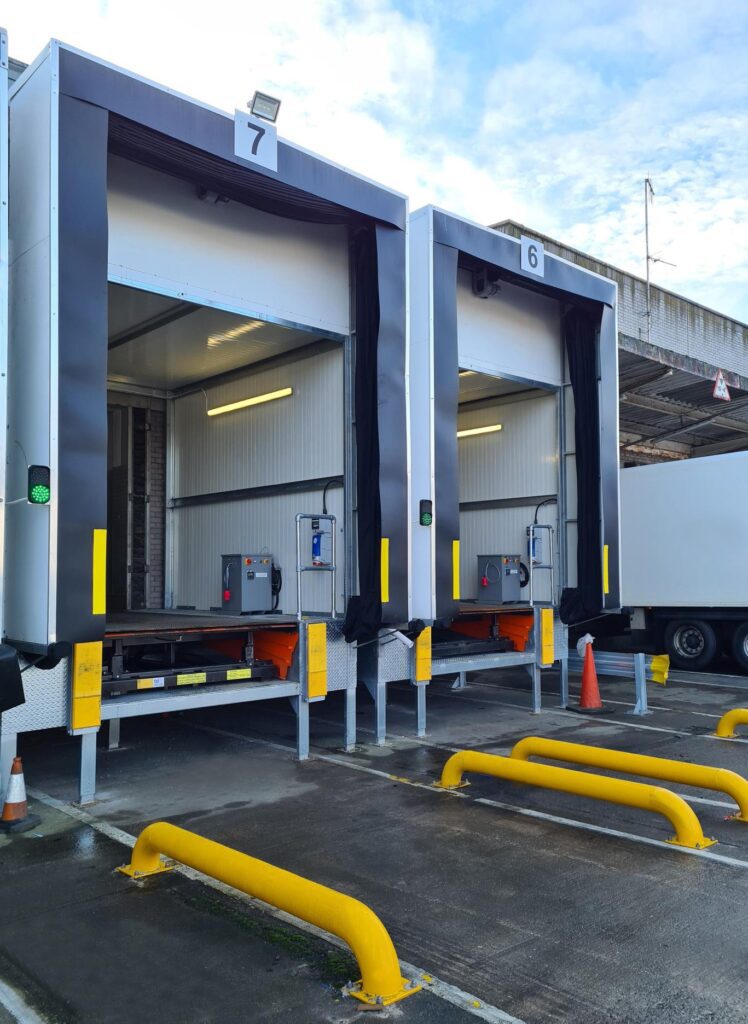
Alongside our core traceability and end-of-line automation focus, we operate a dedicated specialist desk supporting manufacturers and distributors within the Loading Bay & Access Solutions sector.
A Niche Within a Niche
Loading bay and access systems sit at the intersection of logistics, safety, and operational efficiency.
From dock levellers and shelters to industrial doors, gates, barriers, and access control systems — these are not commodity products. They are engineered solutions sold, installed, and maintained within highly commercial, service-driven environments.
The loading bay and industrial access sector is not driven by equipment sales alone.
Behind every successful operation is a carefully balanced service model — one that determines profitability, customer retention and long-term growth.
At its core, the performance of these businesses is shaped by a number of critical factors:
Service Contract vs Reactive Work Ratio
The strongest businesses are built on a solid base of service contracts.
- Contracts provide predictable revenue
- Enable structured maintenance planning
- Reduce reliance on reactive call-outs
Where contract coverage is low, operations often become reactive:
- Increased breakdowns
- Greater pressure on engineers
- Reduced margin through inefficiency
Balancing contract growth against reactive workload remains a key strategic priority across the industry.
First-Time Fix Rate (FTFR)
First-time fix rate is one of the most important operational KPIs.
It directly impacts:
- SLA performance
- customer satisfaction
- engineer efficiency
- cost per job
Low FTFR leads to repeat visits, increased labour cost and unnecessary downtime.
High-performing teams prioritise:
- accurate diagnosis
- correct parts availability
- and experienced, capable engineers
Engineer Utilisation & Patch Efficiency
The balance between travel time and productive time (“wrench time”) is critical.
Poorly structured territories lead to:
- excessive travel
- delayed response times
- reduced job completion rates
Effective patch planning ensures:
- higher utilisation
- faster response
- improved engineer productivity
This is one of the most overlooked — yet impactful — drivers of performance.
SLA Performance & Response Times
Service contracts are typically tied to strict service level agreements:
- 4-hour response
- next-day fix targets
- uptime commitments
Failure to meet these can result in:
- financial penalties
- contract risk
- reputational damage
Maintaining SLA performance requires the right balance of:
- engineer coverage
- technical capability
- and workload distribution
Planned Preventative Maintenance (PPM)
Mature service organisations invest heavily in PPM.
This allows them to:
- reduce reactive call-outs
- improve equipment lifespan
- stabilise workload across the year
A strong PPM strategy is often the difference between:
- a reactive service model
- and a controlled, scalable operation
Installed Base Growth & Service Demand
As the installed base grows, so does demand on service.
More equipment in the field means:
- increased contract servicing
- more breakdowns
- higher parts demand
- greater pressure on response times
Without the right structure in place, growth can quickly lead to:
- overloaded engineers
- declining service levels
- reduced customer satisfaction
Parts Availability & First Visit Completion
First-time fix is heavily influenced by parts availability.
Key considerations include:
- van stock management
- access to critical components
- internal logistics efficiency
Delays in parts lead directly to:
- repeat visits
- increased downtime
- and reduced customer confidence
Sales vs Service Alignment
A common challenge across the sector is balancing:
- new equipment sales
- and service capability
As installations increase, so does pressure on service teams.
Without alignment:
- service capacity is stretched
- response times slip
- contract performance declines
The most successful organisations ensure:
- sales growth is matched with service resource
- and long-term support is built into every deal
Why This Matters for Hiring
In this sector, hiring decisions are not just about technical ability.
They are about:
- improving first-time fix rates
- increasing engineer utilisation
- maintaining SLA performance
- supporting contract growth
- and protecting long-term customer relationships
The right hire doesn’t just fill a vacancy.
- They improve how the entire operation performs.